

Buying a Home in SWFL: A Practical Road Map
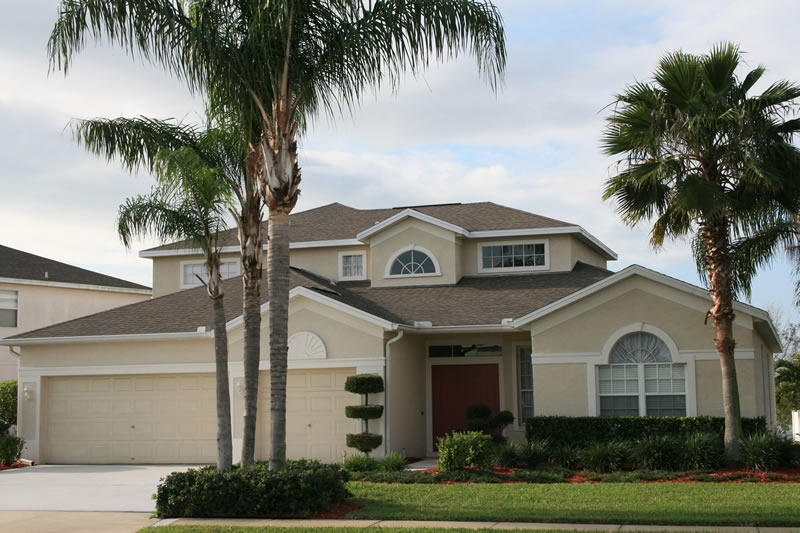 Buying a home in SWFL is exciting, but it takes more planning than choosing a house you love. In Fort Myers, Cape Coral, Naples, Bonita Springs, Estero, Sarasota, and nearby communities, insurance, flood risk, storms, property condition, and closing details can shape the real cost of ownership.
A clear process helps you avoid rushed decisions. Start with your budget, then work through location, inspections, title work, insurance, and closing with local guidance.
Key Takeaways
- Budget for insurance, taxes, HOA fees, repairs, and closing costs, not only the purchase price.
- Compare flood risk and insurance quotes before your inspection period ends.
- Use contract contingencies and inspection deadlines to protect your deposit.
- Review title, condo, HOA, and property records before closing.
- Confirm wiring instructions by phone before sending any funds.
Set Your SWFL Home-Buying Budget Before You Tour
Your home budget should cover much more than the sales price. Start with mortgage preapproval, your down payment, earnest money deposit, loan fees, title charges, moving expenses, and a repair reserve.
Monthly costs may include property taxes, homeowners insurance, flood insurance, HOA or condo fees, lawn care, pool care, and routine maintenance. A canal-front home or older coastal property may carry different insurance costs than a newer inland home.
Get insurance estimates early. Premiums can vary based on roof age, construction type, wind-protection features, prior claims, flood zone, and elevation. Your lender may require certain coverage before closing, so waiting until the last week can create a stressful delay.
Choose these professionals before you begin serious home tours:
- A local real estate agent familiar with the neighborhoods you prefer
- A lender who can explain your loan options and cash-to-close estimate
- An insurance agent who can quote homeowners and flood coverage
- A qualified home inspector
- A title and escrow company, such as JD Title & Escrow Services, to help explain title, escrow, and closing steps
Choose the Right SWFL Location and Property Type
A single-family home, condo, townhouse, and new-construction home each come with different costs and responsibilities. Condos may include exterior maintenance but can have association rules, assessments, and rental restrictions. A single-family home gives you more control, although maintenance falls on you.
Compare commute times, schools, medical care, shopping, beach access, boating access, and storm exposure. Also review county rules, HOA restrictions, condo documents, and flood zones. Visit neighborhoods during morning traffic, evening traffic, and weekends before you commit.
Get Preapproved and Plan for More Than the Down Payment
Prequalification is an early estimate based on information you provide. Preapproval usually involves a credit review and documents such as pay stubs, tax returns, bank statements, debt details, and identification.
Conventional, FHA, VA, USDA, cash, and assistance programs may be available depending on your situation. Once you apply, don’t open new credit accounts, finance a car, make large purchases, or change jobs without talking to your lender first.
Find a Home and Make an Offer That Protects You
A knowledgeable SWFL agent can help you compare listings with recent local sales, not only asking prices. The strongest offer isn’t always the highest one. Clean terms, realistic financing, and workable deadlines can matter to a seller.
Your offer should clearly address the financing type, deposit amount, closing date, seller credits, included appliances or personal property, appraisal protection, and inspection period. Read each deadline carefully. Missing a contract date can weaken your ability to negotiate or recover a deposit.
Older homes deserve extra attention, especially after major storms. For coastal, canal-front, or low-lying properties, ask about hurricane damage, roof repairs, drainage, seawalls, docks, and past water intrusion.
Complete Inspections and Review the Property Carefully
An inspection isn’t a pass-or-fail test. It gives you a clearer picture of the home’s condition and helps you decide whether to request repairs, credits, or contract changes within the inspection timeline.
A general home inspection is a starting point. Depending on the property, you may also need a wind mitigation inspection, four-point inspection for insurance, pest inspection, roof review, pool inspection, septic inspection, well or water-quality testing, or seawall and dock inspection.
Check permits for additions, remodeled rooms, pools, solar systems, docks, and seawalls. Unpermitted work can create insurance, financing, resale, or repair issues later.
Check Flood Risk, Insurance, HOA Rules, and Property Records
Flood risk can exist outside a high-risk flood zone. Review the FEMA Flood Map Service Center, elevation information, drainage patterns, storm history, and any known prior water damage. Flood insurance is often separate from homeowners insurance.
For condo and HOA communities, read budgets, reserve information, meeting minutes, pending assessments, rental limits, pet policies, and approval requirements. Waterfront buyers should also review canal depth, bridge clearance, seawall condition, permits, boat access, and boat insurance needs.
Move From Accepted Offer to a Smooth SWFL Closing
After the seller accepts your offer, the transaction moves quickly. Your title and escrow company opens escrow, holds the deposit, begins title work, and coordinates documents with the lender, agents, and other parties.
Meanwhile, your lender orders an appraisal, reviews updated financial documents, and completes underwriting. You will also finalize insurance and schedule a final walkthrough. Keep your paperwork organized and respond quickly to lender requests.
Title insurance helps protect your ownership interest from certain covered title defects that existed before you purchased the home. A title company reviews ownership records, identifies liens, easements, restrictions, and other exceptions, then works to resolve issues when possible. JD Title & Escrow Services can provide title searches and escrow coordination during this stage.
Review the Title Commitment and Closing Disclosure
Read the title commitment carefully. Look for ownership concerns, unpaid liens, easements, deed restrictions, and exceptions that may affect how you use the property.
Financed buyers should receive a Closing Disclosure at least three business days before closing. Compare it with your Loan Estimate and check the interest rate, loan amount, cash to close, insurance, taxes, and fees. Ask questions before signing day.
Complete the Final Walkthrough and Close With Confidence
The final walkthrough is your last chance to confirm the home is in the agreed condition. Check that requested repairs are complete, included appliances and fixtures remain, and the property is empty unless the contract says otherwise.
Real estate wire fraud is a serious risk. Use verified wiring instructions, then call the title or escrow office at a trusted phone number before sending funds. Once documents are signed, funds arrive, and the deed is recorded, you receive the keys according to the contract.
A Well-Prepared Purchase Starts Before the Offer
A successful SWFL home purchase begins with a complete budget and continues with careful local research. Get preapproved, choose the right location, use protected offer terms, inspect the property, confirm insurance and flood details, and review title before closing.
Southwest Florida homes can vary widely in storm exposure, HOA rules, maintenance demands, and insurance costs. With the right real estate, lending, inspection, insurance, and title professionals, the buying process becomes far easier to manage.